Validated > 99% Lab-grade Peptides
Just How To Review A Peptide Purity Examination: Hplc, Mass Spectrometry And Coa Interpretation For Uk Scientists 2026
HPLC tells you what proportion of your example is the main substance-- but it does not verify what that major compound actually is. A top with the right retention time can theoretically be a related peptide with comparable hydrophobicity. Mass spectrometry provides identification verification by gauging molecular mass straight. We examine peptide length, series composition, anticipated molecular weight, adjustment type, salt kind, sample history, and intended downstream use before specifying the analytical course.Picking the best external laboratory for peptide screening includes evaluating a number of elements. A trusted laboratory ought to have demonstrable experience in peptide chemistry evaluation-- for example, PhD-level drug stores or biochemists on personnel that understand peptides' synthesis and deterioration paths. Accreditation by pertinent bodies (such as ISO/IEC or qualification for GLP/GMP compliance) is a strong indication of quality.
In addition to HPLC and MS, specialized labs might utilize orthogonal techniques for added precision. For example, capillary electrophoresis can be used to divide very hydrophilic peptides or to confirm outcomes, and MALDI-TOF mass spectrometry can assist in mapping larger or customized peptides. Numerous peptide manufacturers or distributors will give a COA (Certificate of Evaluation), for example our bpc 157 tb 500 mix, that includes the pureness percentage by HPLC and identity verification by MS for each and every batch. Top-tier laboratories usually report peptide pureness well above 95%, regularly ≥ 98-99%, by using state-of-the-art HPLC and MS analyses. They likewise evaluate both resources and ended up peptide vials, which aids catch any impurities, deterioration items, or formula disparities.Just How To Review An Hplc Chromatogram
In theory, peptide pureness is evaluated by the chromatogram generated by reversed phase HPLC, and on top of that, we can get the number and relative amount of possible spin-offs by determining the peak area. A high-grade chromatogram has a solitary, balanced main top with a level baseline on either side. " Tailing"-- where the top tracks off gradually on one side-- can show column troubles, example overloading, or second interactions between the peptide and the fixed stage. In this configuration, the stationary stage is hydrophobic (water-repelling), commonly C18-bonded silica. The mobile stage is a gradient of water and an organic solvent like acetonitrile, typically with a small amount of trifluoroacetic acid (TFA) to hone the peaks.Substances
The top quality and reliability of a peptide purity measurement depend on technique parameters and documentation quality. The mobile stage, typically a combination of water, acetonitrile, and an acid modifier, is kept in reservoirs and supplied via the system by a high-pressure pump. The pump maintains specific circulation prices, frequently in the series of 0.5 to 2.0 mL/min depending upon the approach and column style. High stress requires the mobile phase via snugly loaded fragments inside the column, generating sharper splittings up and higher resolution than standard low-pressure chromatography.
A functional assay determining downstream signaling-- or a structural research using NMR or X-ray crystallography-- demands the highest possible purity available. Crystallographers specifically usually call for ≥ 98% pureness since also small contaminants can protect against crystal development or present condition into the crystal latticework. As molecules exit the column, they pass through a detector-- generally a UV detector readied to 214 or 220 nm, wavelengths where the peptide bond soaks up light highly. The detector documents just how much UV light is taken in in time, Peptides-UK producing a graph called a chromatogram. This guide breaks down what purity in fact indicates in peptide chemistry, exactly how it's measured, what the pollutants are, and how to check out the documentation that confirms a peptide is what it claims to be.
These can be particularly troublesome since their chromatographic habits is really similar to the target peptide, making them more difficult to divide throughout filtration. When a peptide is 98% pure, that staying 2% isn't random sound-- it's specific, recognizable sorts of byproducts. Mass spectrometry measures the molecular weight of a substance with severe precision. For peptides, one of the most typical methods are electrospray ionization (ESI-MS) and matrix-assisted laser desorption/ionization time-of-flight (MALDI-TOF). HPLC separates a combination into its private components based on exactly how each molecule engages with a particularly created column.Inadequate In Vivo/in Vitro Stability Information
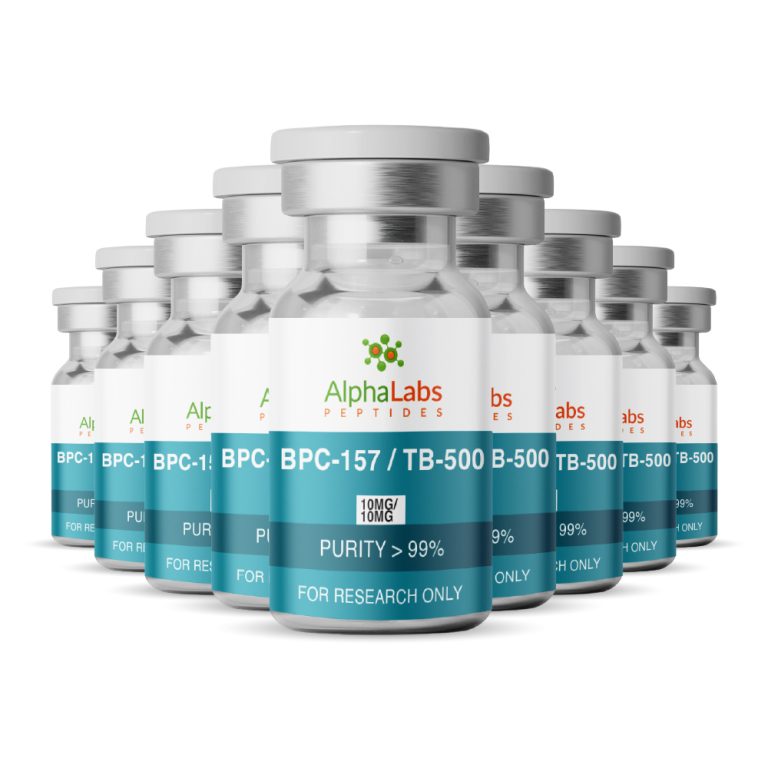

- In addition, mass spectrometry (MS) can be utilized to verify the peptide's molecular weight and series, supplying further confirmation of purity by discovering impurities and destruction products.
- Understanding of pureness degrees will additionally direct you if you ever require a higher pureness peptide for a particularly delicate assay.
- For instance, a purity of 98% shows that 98% of the peptide material is the desired item, while the various other 2% could be unwanted remnants of synthesis (such as incomplete series or amino acid deletion variants).
- The key point is not to confuse purity (HPLC portion of the major peptide vs impurities) with overall web content.