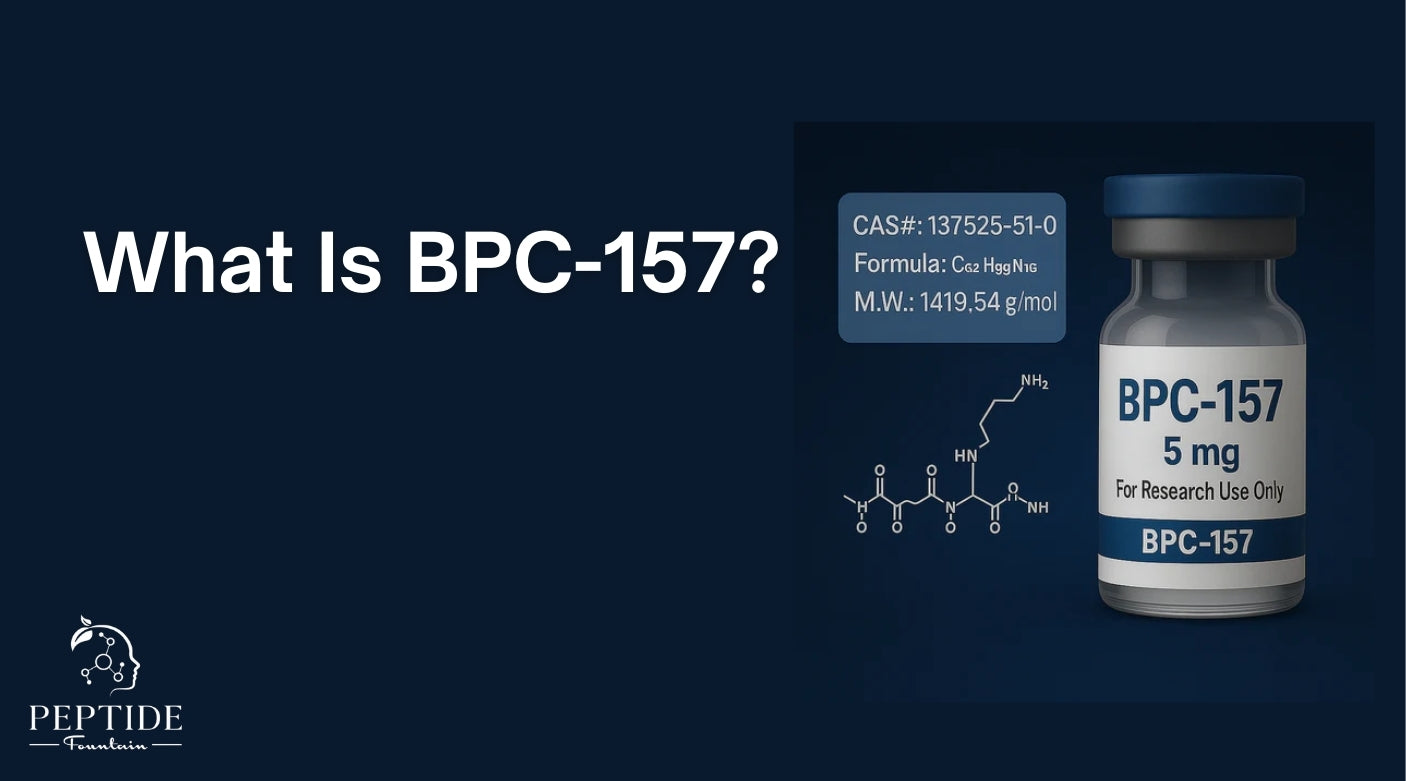
Peptide Storage Space & Stability Reference Overview
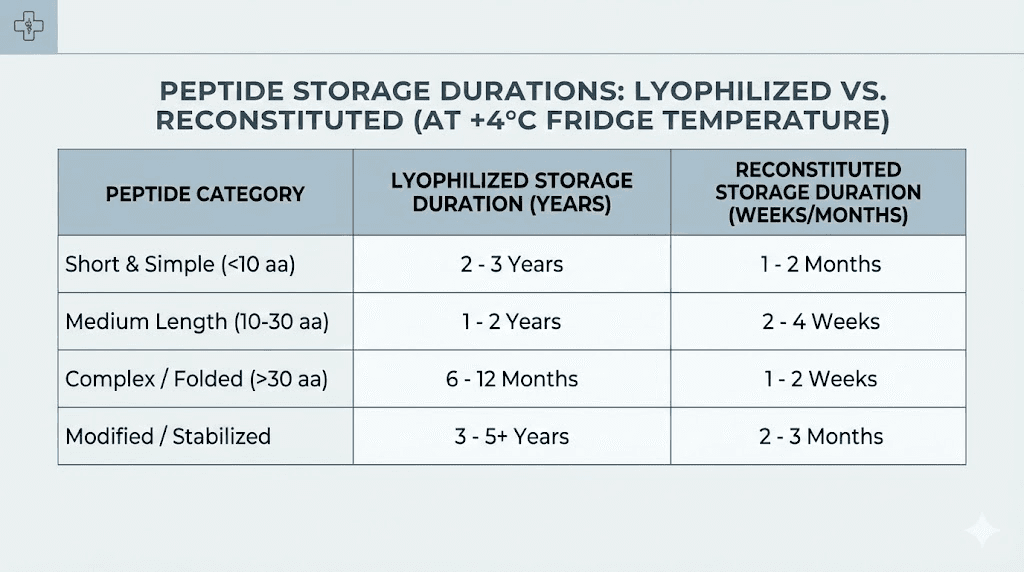
Peptide Storage And Handling HPLC analysis prior to and after agitation shows no significant purity loss. Peptide powder in vials is vital for research study and pharmaceutical applications. Provided the high worth of peptide materials, every microgram issues. So, where do you locate a very clean and extremely accurate vial-filling line?
Usual Storage Space Blunders
- A lot of stoppers tolerate about 10 slits prior to seal destruction becomes concerning, though this differs with needle scale and strategy.
- The HPLC pureness of a lot of our peptides is 95% or over.
- Acidic peptides might require somewhat basic reconstitution medium to fully liquify.
- If you rushed temperature level equilibration, this is the most likely reason.
- Peptide storage matters because temperature level, dampness, light, and handling can all impact material stability and integrity with time.
Common Peptide Quantities And Focus
These papers sum up quality assurance screening outcomes and need to come with every vial you buy. Oxidized methionine deposits, deamidation items, and sequence errors all produce particular mass shifts. This makes MS necessary for extensive high quality assessment. Substances with similar residential or commercial properties might co-elute, suggesting they leave the column with each other and look like a solitary peak. The purity percentage represents family member abundance among found compounds, not outright molecular purity. Surface binding (additionally called adsorption) is a condition that can put your research precision and reproducibility in jeopardy. Photodegradation is a sensations where UV rays trigger chemical reactions and interrupt delicate links within peptide structures. The peptides' folding patterns may be transformed by this quiet killer, making them much less helpful or even harmful. Before we examine the standards for peptide storage, one should understand what they are. Select your compound and get in the reconstitution date to see approximated expiration, days remaining, and current standing. Peptides in labeled study vials are typically allowed in carry-on luggage. Pipette solvent down the wall of the vial-- not straight onto the powder.What counteracts peptides?
Salicylic acid''s scrubing activity may destabilize the peptides, decreasing their skin-repairing benefits. Recommendation: To avoid any communication, usage salicylic acid and peptide items at different times. For example, integrate salicylic acid in your morning regimen and peptides in your night routine.